Gideon Zelermyer Cantor · Tenor · Teacher

2006 —

For the record.

Three volumes of a synagogue’s own repertoire, two contemporary classical albums, other people’s records it has ended up on, and the tracks that have been taken up elsewhere.

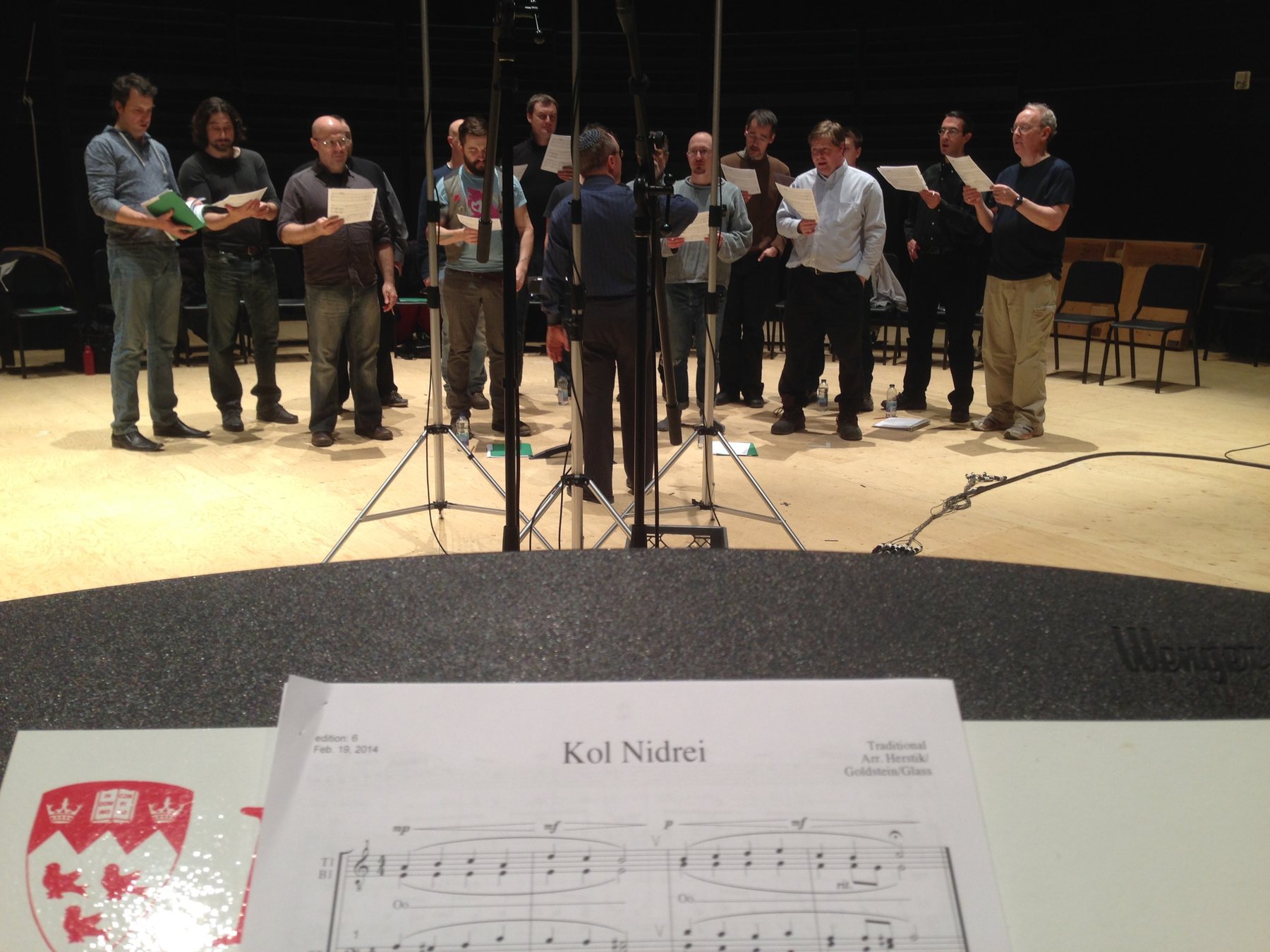
The men of the Shaar Hashomayim Synagogue Choir in shirtsleeves on a studio stage, scores in hand around a cluster of microphones, Stephen Glass conducting, his back to the camera; a copy of Kol Nidrei open on the music stand in the foreground.
Recording Volume III in the MMR at McGill’s Schulich School of Music — Kol Nidrei on the stand, in the Herstik/Goldstein/Glass arrangement, Stephen Glass conducting. Photograph — Gideon Zelermyer.

Recently

Mar 2026 Credited on James Blake's Death of Love, via a sample of the original recording. Good Boy Records · Watch
Jan 2026 Cantor soloist on Art Choral Vol. 10: Hallelujah, Ensemble ArtChoral under Matthias Maute — ATMA Classique. New release · Listen

The catalogue

Released

The Music of Congregation Shaar Hashomayim
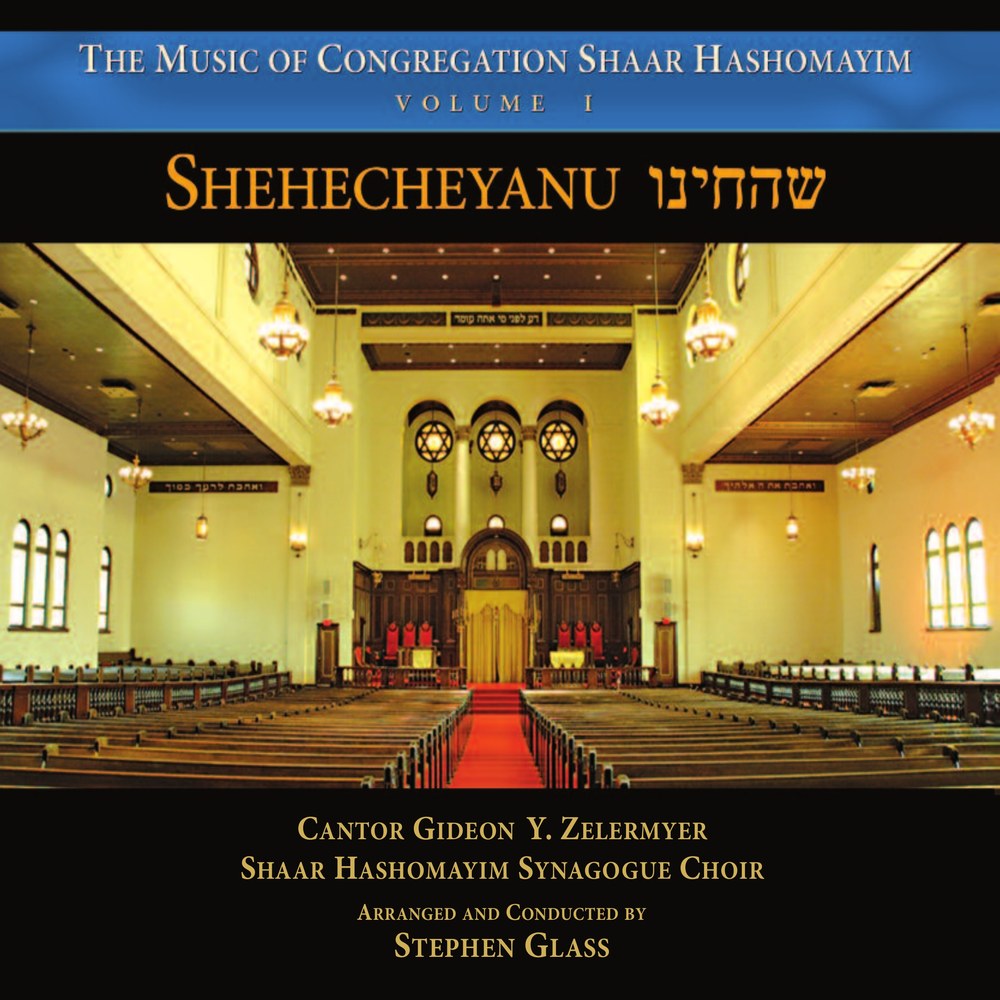
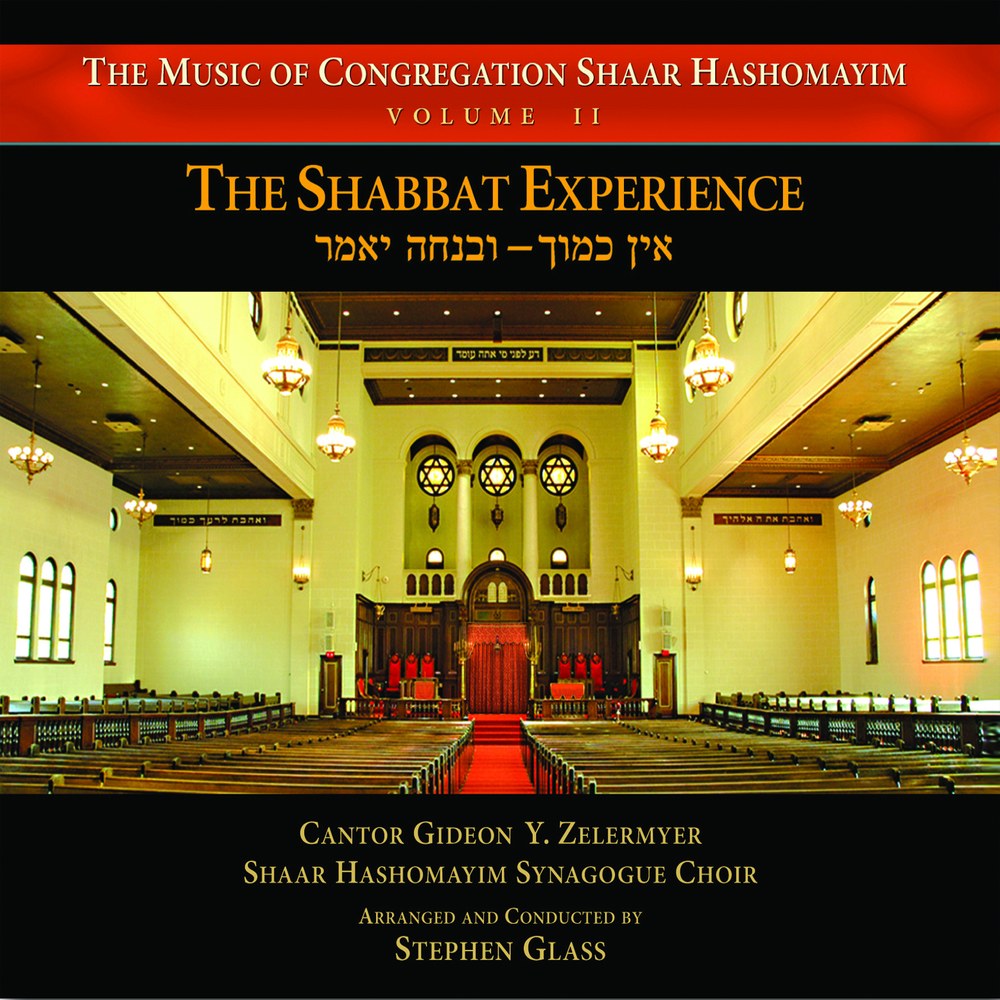
2011–2014 · Three volumes

Cover of Volume I, Shehecheyanu — the Shaar Hashomayim sanctuary.
Cover of Volume II, The Shabbat Experience — the Shaar Hashomayim sanctuary.
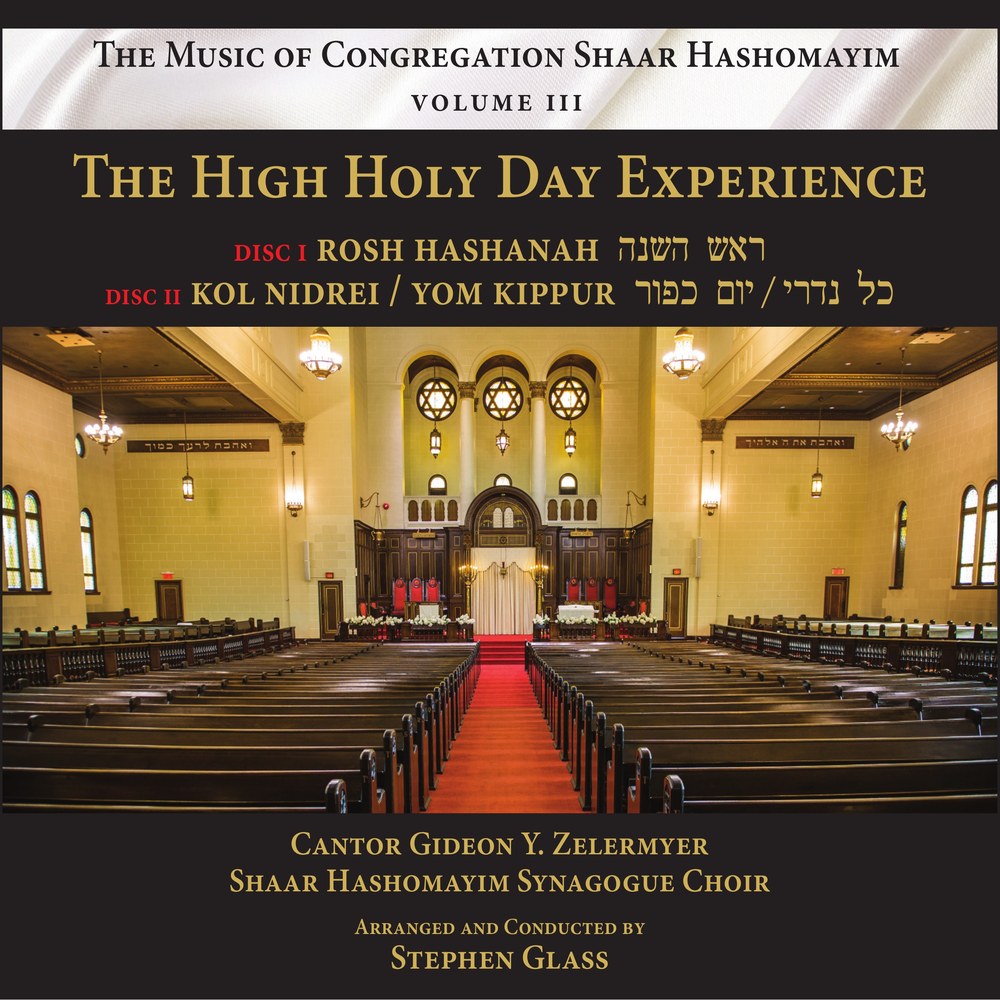
Cover of Volume III, The High Holy Day Experience — the Shaar Hashomayim sanctuary.

Cantor and male choir have sung together at The Shaar every week since 1887. In the century and a quarter that followed, no one had ever set that sound down. These three volumes, recorded between 2011 and 2014, are the first record of it — the same room photographed three times for the covers, lit differently for each.

Volume I was the greatest hits: the repertoire the congregation knows best, put down first because nobody knew whether there would ever be a second.

Volume II went the other way, for breadth. It centres on the Torah service, and carries five different settings of Ein Kamocha, sung as the scroll is taken from the ark, and twelve of Uvnucho Yomar, sung as it is put back — different styles, different lengths, composed from the late nineteenth century through to the present day.

Volume III is a two-disc set covering the major moments of the High Holy Days: one disc for Rosh Hashanah, one for Yom Kippur.

Every track on the three volumes was arranged and conducted by Stephen Glass. They were a labour of love: an attempt to document the “Shaar sound.”

All three were produced by Martha de Francisco, who spent thirteen years as producer and Tonmeister at Philips Classics and holds credits on close to five hundred recordings — Alfred Brendel, Jessye Norman, Claudio Arrau, Sviatoslav Richter, Anne-Sophie Mutter, Simon Rattle, the Vienna Philharmonic and more — made in venues such as the Musikverein, Carnegie Hall, and Bayreuth. She heard the choir at the Richard Tucker tribute in 2010 and insisted the recordings be made properly: at the Schulich School of Music at McGill in the MMR. She spent a long time in The Shaar sanctuary first and called what she heard there “the holy sound.”

VOL. I — SHEHECHEYANU
2011
Apple Music
VOL. II — THE SHABBAT EXPERIENCE
2013
Apple Music · Spotify
VOL. III — THE HIGH HOLY DAY EXPERIENCE
2014 · Two discs · 48 tracks
Apple Music · Spotify
STEPHEN GLASS
arrangements, conductor,
musical direction


MARTHA DE FRANCISCO
producer

Recorded at the Schulich School of Music, McGill University
All three, at The Shaar
Discs may also be purchased from the congregation.
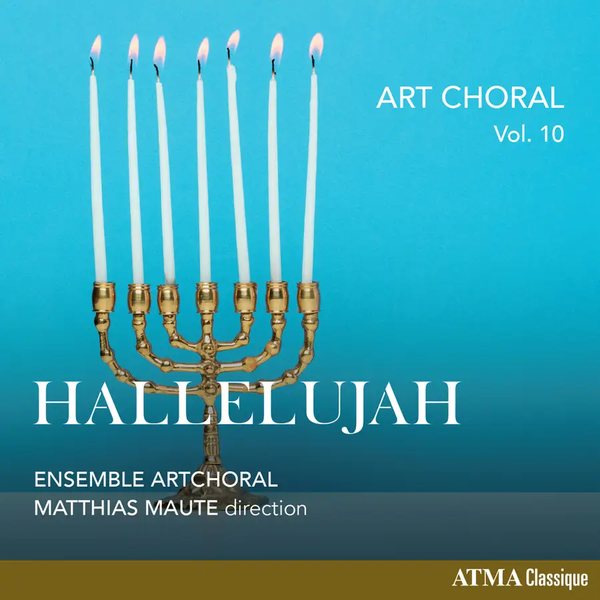
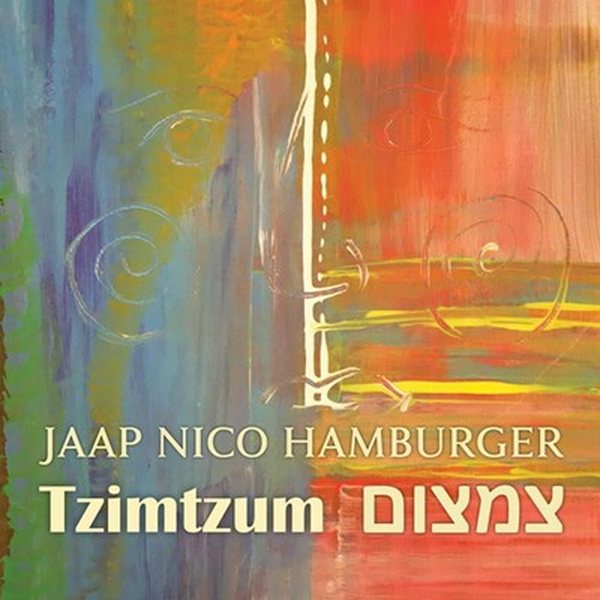
On other labels

Contemporary classical

Cover of Art Choral Vol. 10: Hallelujah — a seven-branched menorah with lit candles against a blue ground.

Art Choral Vol. 10: Hallelujah

30 January 2026 · ATMA Classique · Ensemble ArtChoral

The tenth volume in ATMA's Art Choral series, and a programme entirely of Jewish a cappella music — every text on a Jewish theme, every composer Jewish. Zelermyer is the cantor soloist on the Halévy, a liturgical setting with a highly florid tenor line. The record also includes André van der Merwe's choral arrangement of Cohen's Hallelujah.

MATTHIAS MAUTE conductor
ENSEMBLE ARTCHORAL
ATMA Classique
Released 30 January 2026
Reviewed in The WholeNote
Apple Music · Spotify · All services
Cover of Tzimtzum by Jaap Nico Hamburger — an abstract painting in reds, greens and blues.

Tzimtzum

2023 · Leaf Music · Jaap Nico Hamburger

A composer portrait built around the kabbalistic idea of divine contraction preceding creation. Zelermyer sings tenor alongside Measha Brueggergosman-Lee and Magali Simard-Galdès, with Ensemble ArtChoral and Ensemble Caprice under Matthias Maute and the Orchestre classique de Montréal.

JAAP NICO HAMBURGER composer
MATTHIAS MAUTE conductor
Measha Brueggergosman-Lee
Magali Simard-Galdès
Marie-Andrée Mathieu
William Kraushaar
Ensemble ArtChoral
Ensemble Caprice
Orchestre classique de Montréal
Reviewed in La Scena Musicale
and PAN M 360
Apple Music · Spotify · All services

On other people's records

As guest

2026 James Blake — Death of Love. Credited, via a sample of the original recording. Good Boy Records · Watch
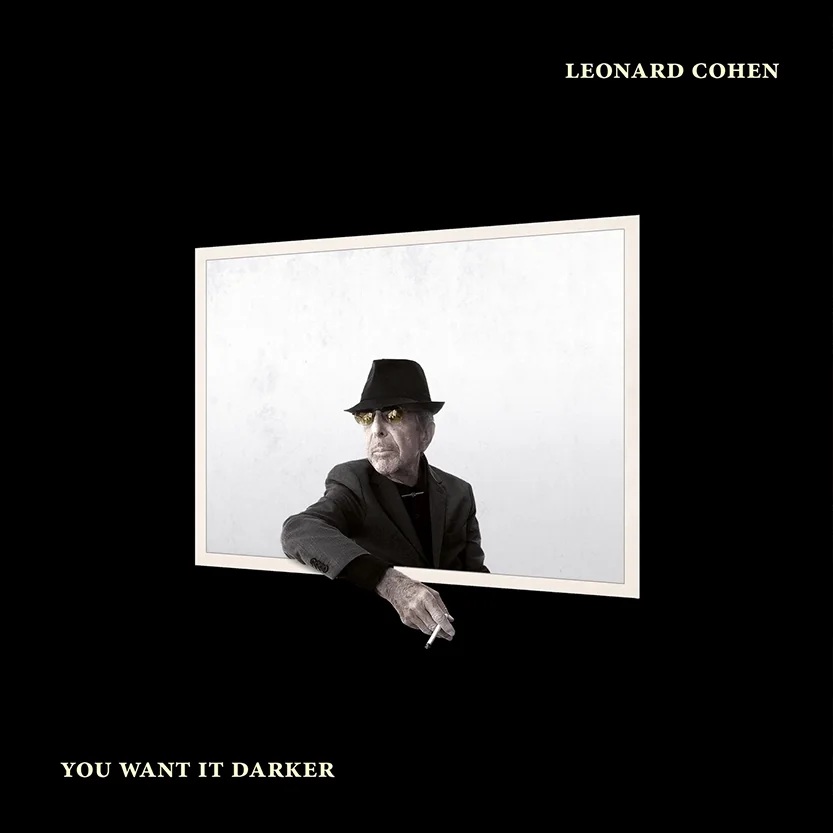
2016 Cover of Leonard Cohen's You Want It Darker. Leonard Cohen — You Want It Darker. Cantorial soloist on the title track and on It Seemed the Better Way. The full story

Taken up by others

Where the music travelled

Two occasions when recordings made at and for The Shaar were chosen by someone else, and put in front of an audience that had not come looking for a synagogue choir.

I May Destroy You

HBO · BBC · 2020

Michaela Coel came to the Shaar Hashomayim's own recordings, and the route she took to them is improbable enough to be worth setting down.

Coel had a supporting role in Black Earth Rising — the series whose titles are Zelermyer's voice. In 2018 he and his wife were part-way through binge-watching it. A day after they had watched four episodes, he woke to an email from Coel, who had found the choir's recordings through the Cohen album. A friendship followed, and a night in London in 2019 that ran until three in the morning.

When she began work on the series, he sent her the choir's recordings. She chose two — Uv'chein Yitkadash and Ein Kitzvah — and asked him to explain what each one meant, without telling him what the scenes were.

Uv'chein invokes the binding of Isaac in making the case for forgiveness. When he explained that, Coel was, in his account, blown away at how closely it matched what her character was going through. His verdict on the whole thing: it was all her.

The music appears at the close of episode eight, as Arabella walks into the Tyrrhenian Sea — eighteen voices of the Shaar Hashomayim choir, and a cantor.

“It's not about bending what we do to meet the needs of pop culture. It's about being who we are, with people who are respectful of the authenticity of the statement. Nobody's asking me to sing Adon Olam to a Broadway tune.” The Forward, September 2020
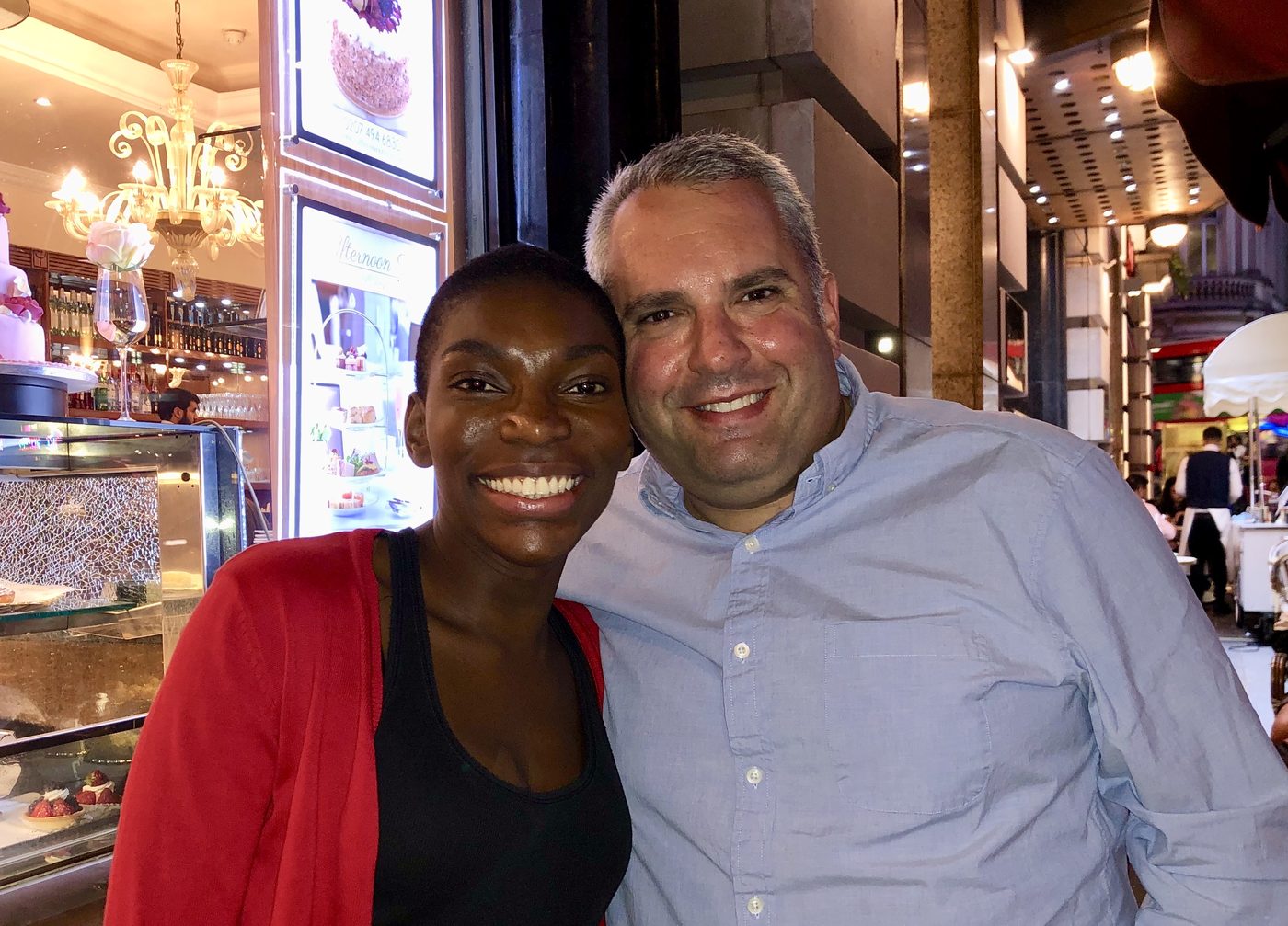
Gideon Zelermyer and Michaela Coel standing cheek to cheek outside a café at Piccadilly Circus, both smiling at the camera.
With Michaela Coel, Piccadilly Circus, July 2019.
TWO TRACKS
Uv'chein Yitkadash
High Holy Day liturgy
Recorded 2013
Arranged and conducted by
Stephen Glass
Ein Kitzvah
High Holy Day liturgy

I May Destroy You · in the press

All screen press →

Labyrinth of Lies

Germany · 2014

Rachamana, sung by Zelermyer and the Shaar Hashomayim choir under Stephen Glass, in the film released in German as Im Labyrinth des Schweigens — Germany’s submission for the Academy Award for Best Foreign Language Film that year.

Nothing was recorded for the picture. The track is taken straight from Volume I, made three years earlier.

Listen

RACHAMANA
GIDEON ZELERMYER cantor
Shaar Hashomayim Synagogue Choir
Arranged and conducted by
Stephen Glass
From Volume I · 2011

In the press

All recordings press →