Gideon Yechiel Zelermyer
Two passions, constant throughout: synagogue and singing.
Cantor of Congregation Shaar Hashomayim since 2004. This is where the musical life that has grown out of that pulpit is kept: the concerts, the recordings, the collaborations, the teaching.
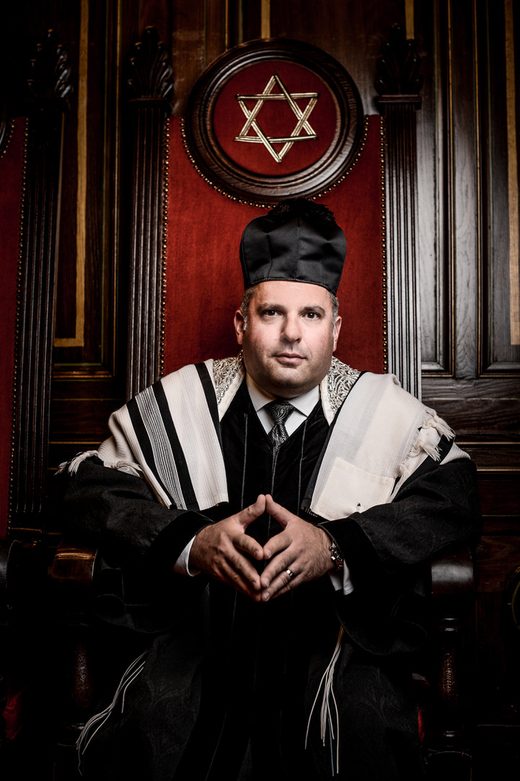
“May your voice reach that Place and bring down the blessings.”
Leonard Cohen, in a letter
Photograph — Ryan Blau
For programmes and press
In brief
Gideon Zelermyer has been the cantor of Congregation Shaar Hashomayim in Montreal since 2004 — a congregation founded in 1846, which has maintained a professional male choir since 1887 and remains one of only a few in the world whose services are led each week by cantor and choir in the tradition of the great choral synagogues of western Europe.
A lyric tenor, he trained at the Tel Aviv Cantorial Institute under Naftali Herstik, Chief Cantor of the Jerusalem Great Synagogue, and made his operatic debut as Rinuccio in Puccini's Gianni Schicchi. He has conceived and presented eleven large-scale concert productions at The Shaar, with a twelfth to come in 2027, sung three world premieres, and appeared with the Orchestre symphonique de Montréal under Kent Nagano, the Orchestre classique de Montréal under Boris Brott, and at the United Nations General Assembly. His recordings range from a scholarly publication for the Hebrew University of Jerusalem to two contemporary classical albums.
He was the cantorial soloist on Leonard Cohen’s Grammy and Juno Award-winning song You Want It Darker.
Congregation Shaar Hashomayim
Montreal · since 2004
VOICE · lyric tenor
TRAINED
The George Washington University
BA, Judaic Studies
Tel Aviv Cantorial Institute
TEACHERS · VOICE
Dr. Robert Baker
TEACHERS · CANTORIAL
Cantor Naftali Herstik
Raymond Goldstein
Cantor Chaim Feifel
Downloadable bio & photographs
Westmount
At The Shaar
Congregation Shaar Hashomayim was founded in 1846 by a group of English, German and Polish Jews who wanted an Ashkenazi service with the melodies they knew. It established an all-male a cappella choir in 1887 which has accompanied the cantors of The Shaar ever since, even during the Covid pandemic.
The present building on Kensington Avenue opened in 1922. Its sanctuary was designed for singing: the size, the acoustics and the seating all follow from the assumption that a cantor and a choir would be leading services every week.
The concerts, recordings and productions described elsewhere on this site are presented under SH'MA — Shaar Hashomayim Music & Arts, and are supported by the Leo & Roni Kolber Music Programming Fund in recognition of the deep connection between Senator Kolber and the cantor.
1975 —
A closer look
West Hartford
He was born in Providence, Rhode Island, and grew up in West Hartford, Connecticut, where his father, Rabbi Gerald Zelermyer, served The Emanuel Synagogue for nineteen years. The cantor there was Arthur Koret, who had held the pulpit for thirty-eight years and used to sit the Zelermyer boys on his knee and have them sing for him.
He became the youngest member of the synagogue's professional High Holy Day choir, sang in the Choraliers at Hall High School — Elizabethan in the fall, jazz in the spring — and fell in love with opera. At The George Washington University he began studying with the tenor Dr. Robert Baker, his first voice teacher and still his teacher more than thirty years later. He first officiated for the High Holy Days at twenty. By 1997 he was sharing the bimah with his father.
Jerusalem
A meeting changed the plan. Naftali Herstik — Chief Cantor of the Jerusalem Great Synagogue, thirteen generations of cantors behind him — came to West Hartford to sing, and Gideon was put in the choir assembled for the occasion. He had never heard a cantorial voice of that richness. He moved to Israel to enrol at the Tel Aviv Cantorial Institute, which Herstik had founded.
Herstik, Raymond Goldstein and Cantor Chaim Feifel gave him the nuances of nusach hat'filah, an expertise in traditional chazanut, and a Hebrew fluency that has stayed in his delivery ever since.
Montreal
He came to Shaare Zion Congregation in 2001, and in 2004 to Congregation Shaar Hashomayim, where he began a long collaboration with its director of music, Stephen Glass. In 2006 he toured with the choir for the first time, and presented the first of the concerts he would go on conceiving for the synagogue: the 160th Anniversary Concert, with symphony orchestra and chorus.
He married Michelle Rosenhek in 2005. Their sons Max and Ben are fifth-generation members of the congregation.
Everything after that is the rest of this site.
Read on
ConcertsTwenty years of productions, at The Shaar and elsewhere AudioThree volumes of The Shaar’s own repertoire, and the rest VideoThe films, the arena, and the year the sanctuary emptied WrittenThe prayerbooks, the scholarship, and the sermons Leonard CohenYou Want It Darker, and what followed A Night @ the OperaThe series that outlasted the pandemic The AnthemsThe Bell Centre and Fenway ParkFirst officiates as cantor for the High Holy Days, aged 20
BA, Judaic Studies, George Washington University
Moves to Israel; Tel Aviv Cantorial Institute
Operatic debut — Rinuccio, Gianni Schicchi, Jerusalem Rubin Academy of Music & Dance
Shaare Zion Congregation, Montreal
Montreal Holocaust Memorial Centre dedication; London debut
Cantor, Congregation Shaar Hashomayim
First tour with the choir, through southern Florida
Curaçao album for the Hebrew University of Jerusalem
Richard Tucker tribute; first Bell Centre anthem
United Nations General Assembly; You Want It Darker with Leonard Cohen
Elijah with the OSM in the sanctuary
A Night @ the Opera begins
Invocation, presidential inauguration, The George Washington University
2001 —
Teaching
For as long as he has been a cantor, he has been a teacher.
For twenty-five years he has prepared bar mitzvah students, one at a time, in the ordinary weekly way.
Every one of the concerts he has produced at Shaar Hashomayim has been designed to entertain and to educate. Attendees have learned about the lives of famous cantors and tenors, great synagogues of Western Europe no longer in existence, the works of great Jewish composers and conductors, and the great Biblical oratorios of the world of classical music.
Since 2020 he has taught A Night @ the Opera, a series that began during the Covid shutdown with thirty people on a video call, has run to sixty-seven nights, and is attended by many hundreds of loyal viewers.
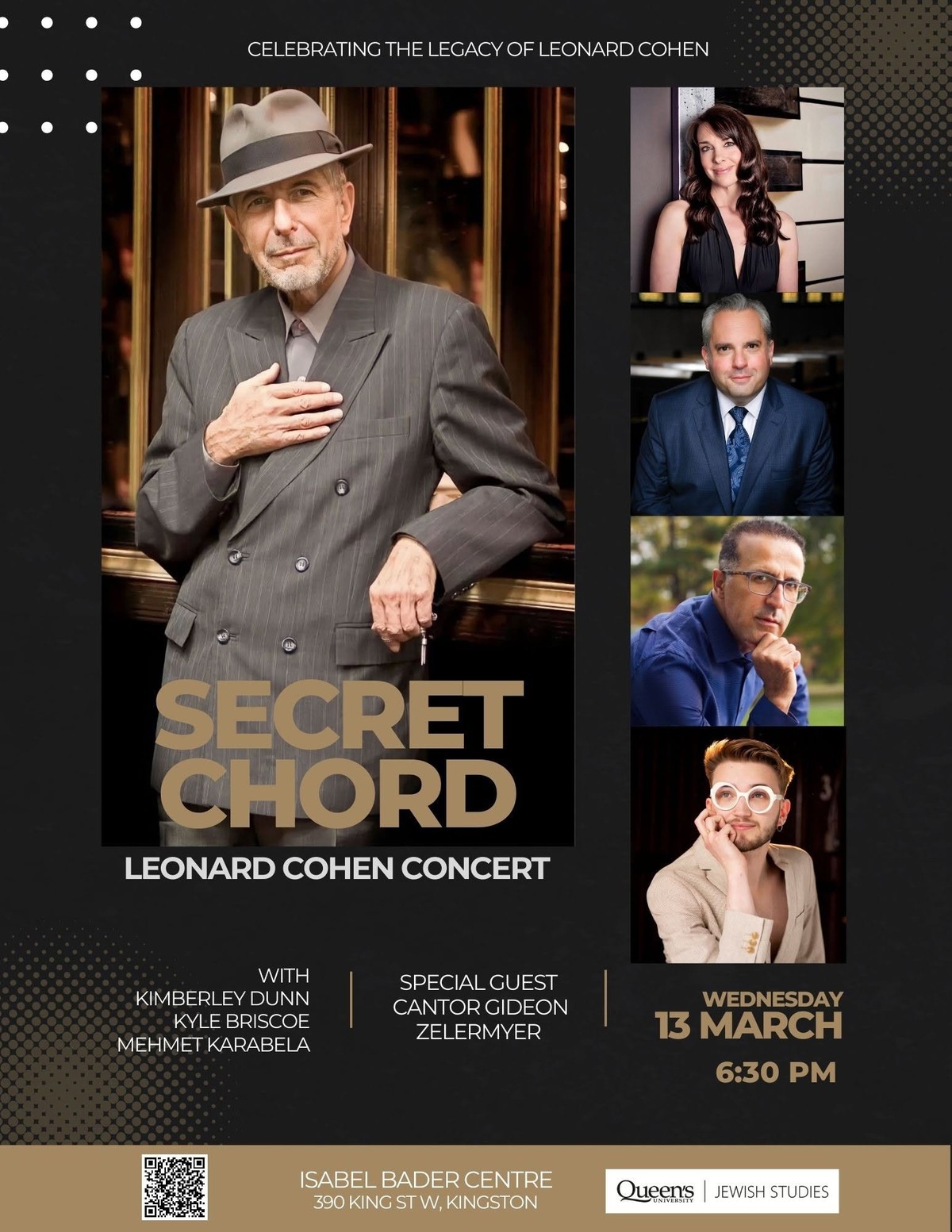
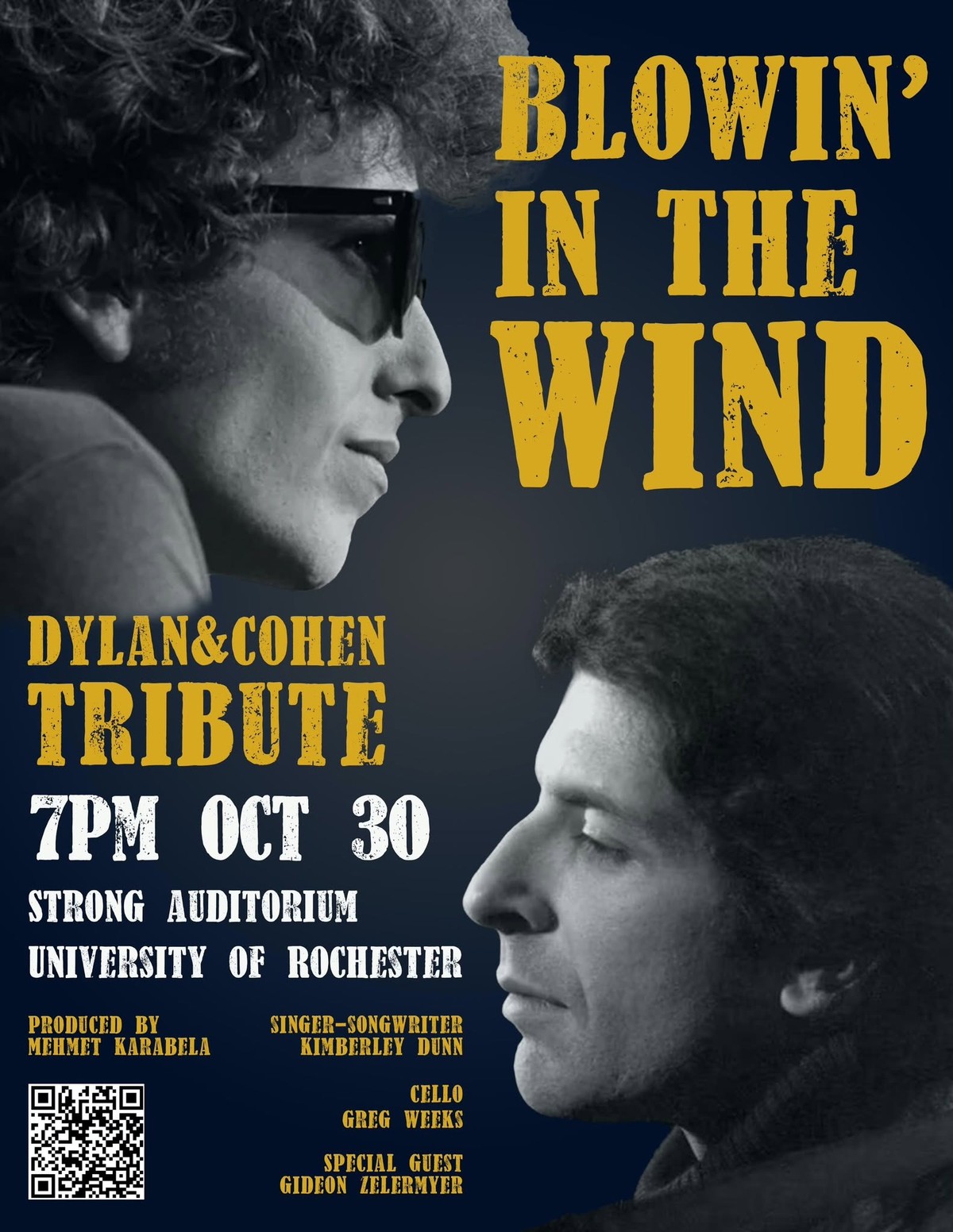
He has been invited to lecture on Jewish music in five university faculties. At Queen’s University in March 2024, for Secret Chord: Songs of Leonard Cohen. At Harvard Divinity School later that year, at the invitation of Rabbi David Wolpe, for his course on Jewish spirituality. At McGill University in 2024, 2025 and 2026, in Professor Josh Dolgin’s course on Jewish music. At the University of Rochester in October 2025, in a public conversation co-sponsored by six departments including the Eastman School of Music. And at the UCLA Herb Alpert School of Music in 2026, invited by Professor Mark Kligman.
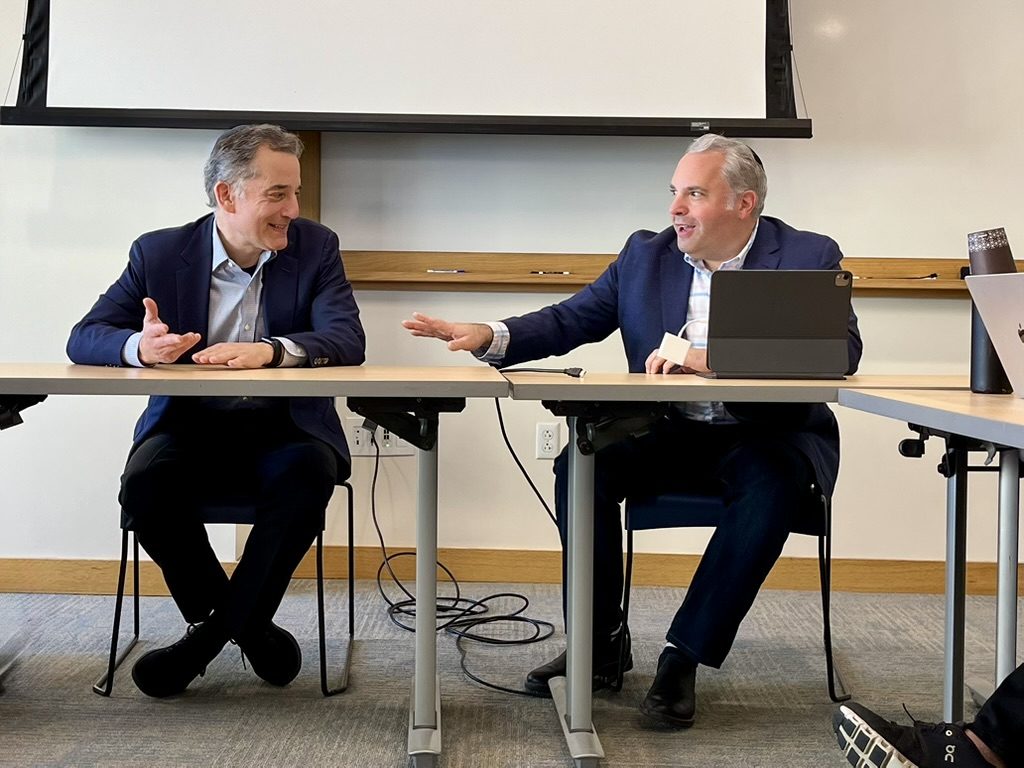
Photograph — B. Andrew Zelermyer
He has coached cantorial students, privately and at The Jewish Theological Seminary and Tel Aviv Cantorial Institute.
In Germany he teaches at Stimmen der Hoffnung — Voices of Hope — the conference of the Verband Jüdischer Kantoren, the first gathering of German cantors since 1939. Some twenty-six cantors came to Mannheim in January 2025, Orthodox, Liberal and Reform in one room, for master classes, lectures and concerts; he led the master classes with Joyce Rosenzweig of the Debbie Friedman School of Sacred Music at Hebrew Union College, and presented lectures alongside Professors Eliyahu Schleifer and Mark Kligman. He taught at that first gathering and at the second in 2026; January 2027 will be his third.
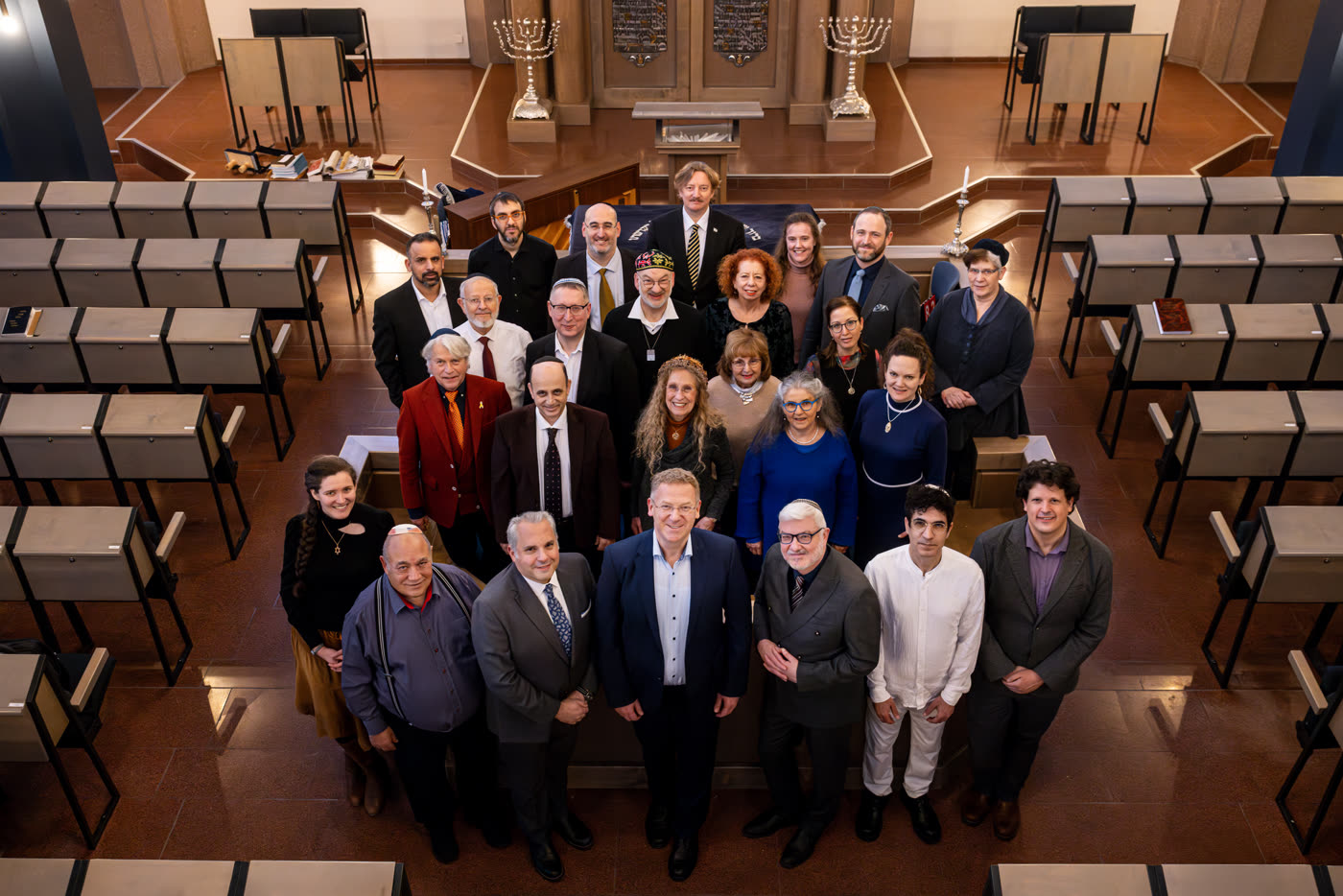
Photograph — Lys Y Seng
Bar mitzvah preparation
67 NIGHTS
A Night @ the Opera
since May 2020
CANTORIAL COACHING
The Jewish Theological Seminary
Tel Aviv Cantorial Institute
and privately · ongoing
VOICES OF HOPE
Verband Jüdischer Kantoren
Mannheim · 2025 · 2026 · 2027
The first conference of German cantors since 1939
UNIVERSITIES
Queen's · 2024
Harvard Divinity School · 2024
McGill · 2024 · 2025 · 2026
Rochester · 2025
UCLA · 2026
November 2023 · Washington
The same podium, thirty-five years apart
In 1988, Rabbi Gerald Zelermyer gave the invocation at the inauguration of the fifteenth president of The George Washington University. In November 2023 his son gave it for the nineteenth.
Zelermyer earned his degree at GW and has said that its Hillel was in effect his first congregation. He was invited to bless the incoming president, Ellen Granberg, and her administration.
The ceremony fell weeks after 7 October, and days after antisemitic messages had been projected onto the side of the university’s Gelman Library. He subsequently rewrote his remarks, challenging GW’s administration to do more to protect its Jewish students.
What he read them was George Washington's own letter of August 1790 to the Jewish congregation at Newport, where he famously asserted that the Government of the United States “gives to bigotry no sanction, to persecution no assistance.” He then exhorted the GW administration as follows:
“No Jewish student should be afraid to walk on the campus that bears George Washington's name. Give this bigotry — the oldest and most persistent bigotry — no sanction. Fulfil Washington's imperative and uphold the values of this great institution.”
He closed with the prayer of the generations, L'dor Vador, from generation to generation — which was also, at that podium, a plain description of what had just happened.
Rabbi Gerald Zelermyer
Invocation, inauguration of the 15th president
2023
Cantor Gideon Zelermyer
Invocation, inauguration of the 19th president
GEORGE WASHINGTON UNIVERSITY
Washington, D.C.
BA, Judaic Studies, 1997
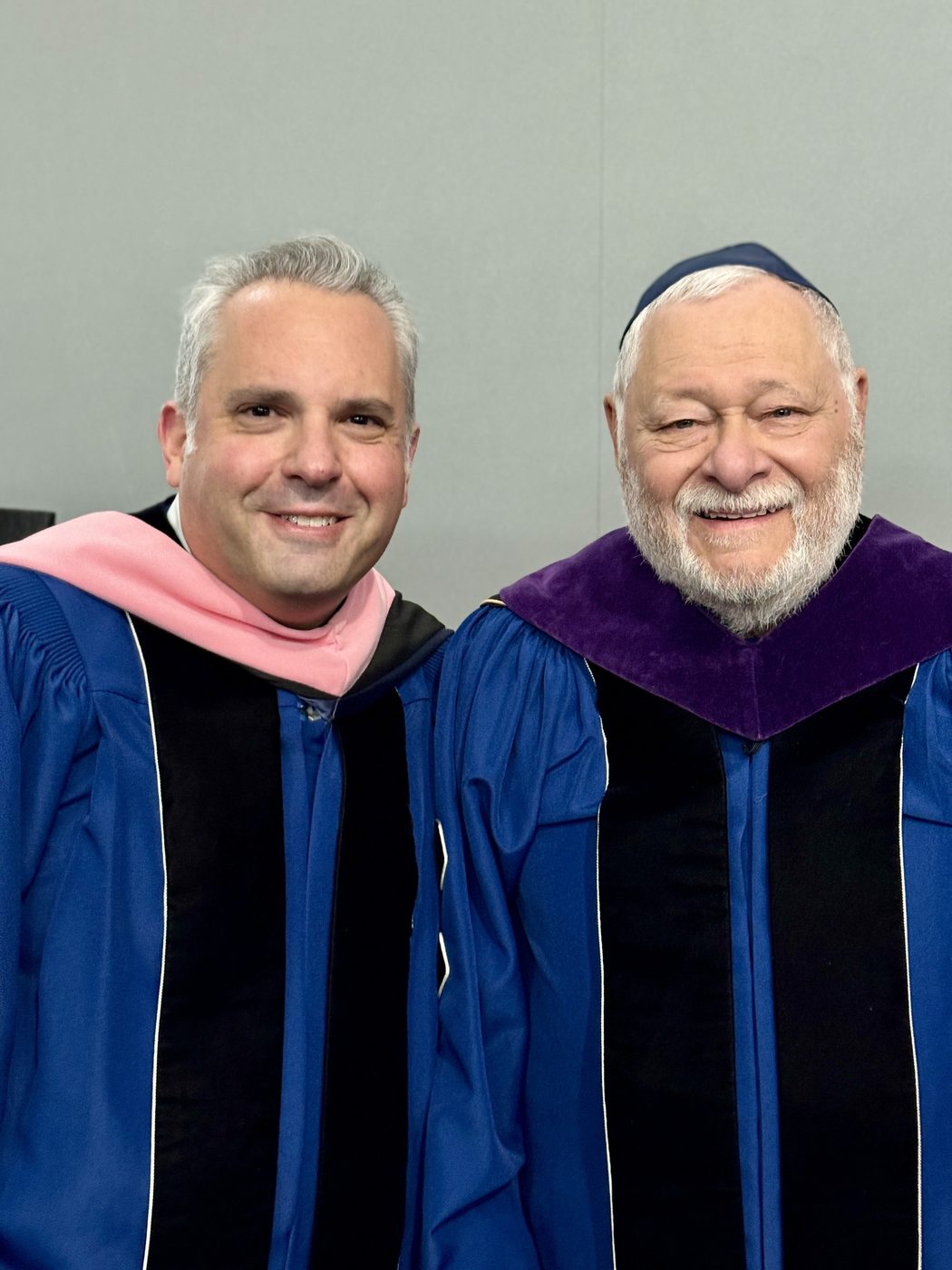 With Stephen Joel Trachtenberg, president emeritus — whose own inauguration in 1988 was blessed by Gideon's father.
27 January 2016 · New York
An argument made at the General Assembly
Cantors had sung at the United Nations Holocaust Memorial Ceremony before. None had brought a choir.
Zelermyer made the case that the collaboration between cantor and choir is the tradition — that the sound of the choral synagogue is not an accompaniment to cantorial singing but the thing itself. The United Nations changed the format of the ceremony to accommodate it.
On the anniversary of the liberation of Auschwitz, he and the twelve men of the Shaar Hashomayim choir sang Ani Ma’amin in the General Assembly hall, under Roï Azoulay — the first synagogue choir to sing there.
International Holocaust
Remembrance Day
The anniversary of the liberation of Auschwitz
UNITED NATIONS
General Assembly hall
New York
SUNG
Ani Ma’amin
THE CHOIR
Twelve men of the
Shaar Hashomayim choir
Roï Azoulay, conductor
DAYS BEFORE
Can I get an Amen?
The Shabbat Shirah sermon, written days before the choir sang
The Hague · Curaçao · Westmount
It’s in his blood.
On his mother’s side, both lines are associated with historic synagogues.
His great-grandfather, Levie Levisson — Hebrew name Yehuda — was a printer in The Hague. On a business trip to London in 1929 a friend took him to the Liberal Jewish Synagogue at St John’s Wood, and he came home determined to build the same thing for Dutch Jews. He founded the Liberaal Joodse Gemeente in 1931, published a prayer book in Dutch, and preached in Dutch on the ethical questions of the day.
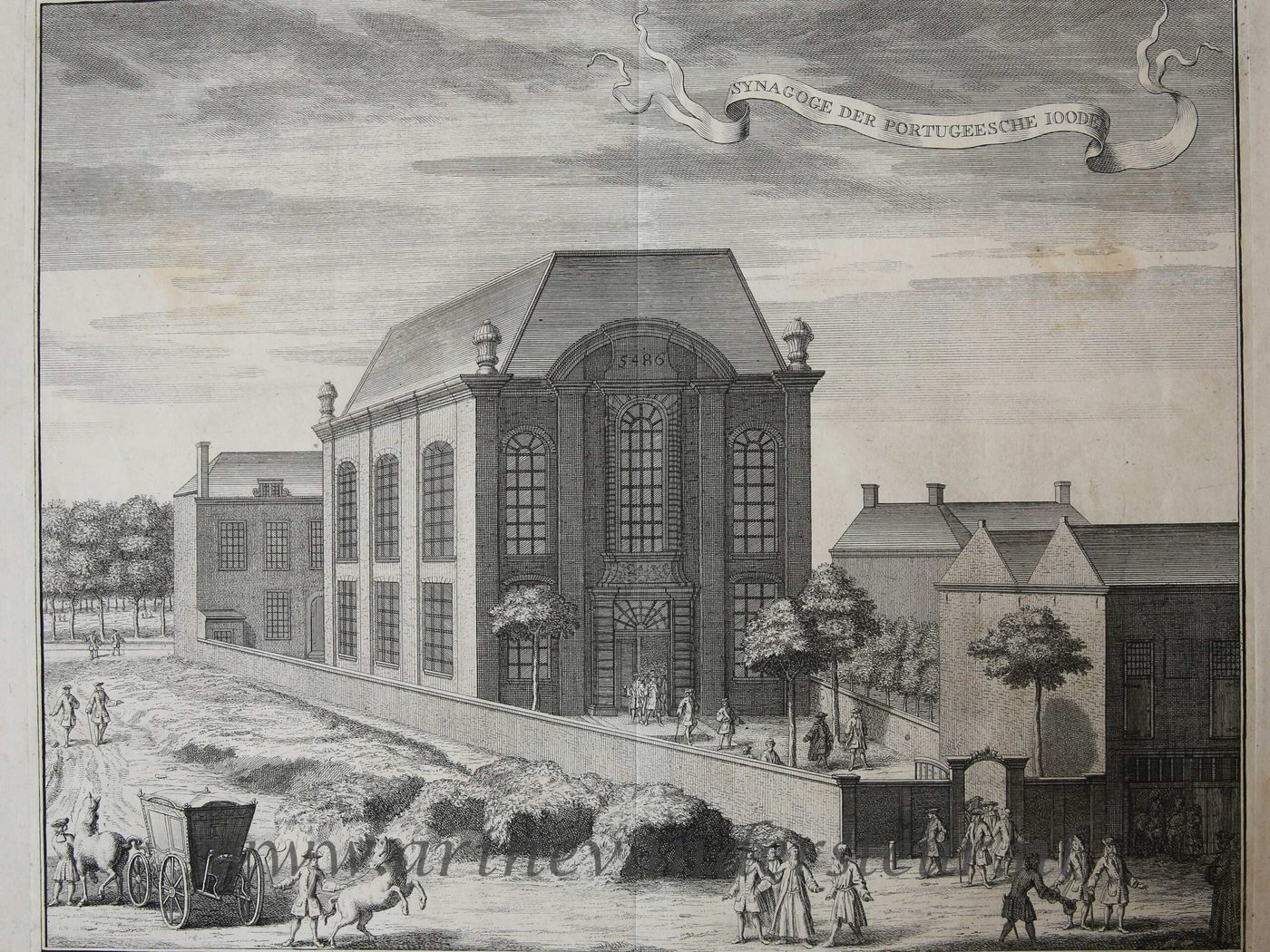
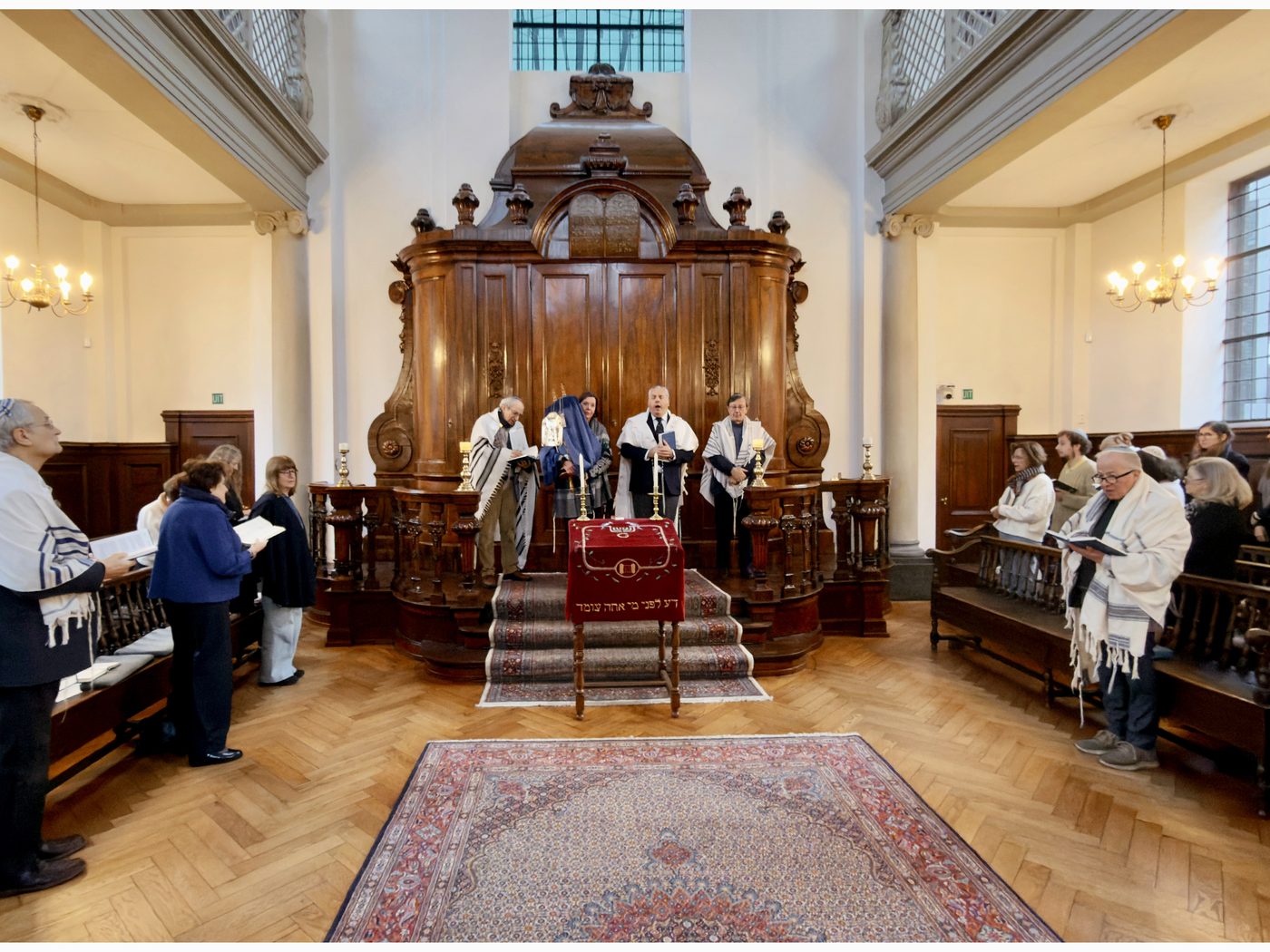
The Holocaust reduced The Hague’s Jewish community from some seventeen thousand people to about two thousand, and took the lives of more than fifty Levisson family members. Yehuda Levisson died in 1948; his son Bob re-established the congregation in 1959. In 1976 the community took over the 1726 Portuguese synagogue on the Prinsessegracht — one of the few Dutch synagogues to survive the occupation intact — and rededicated it as Beth Jehoeda, after Yehuda Levie Levisson. The building turns three hundred this year. In January 2026, Zelermyer sang there, before three generations of the family, with his son Max in the room.
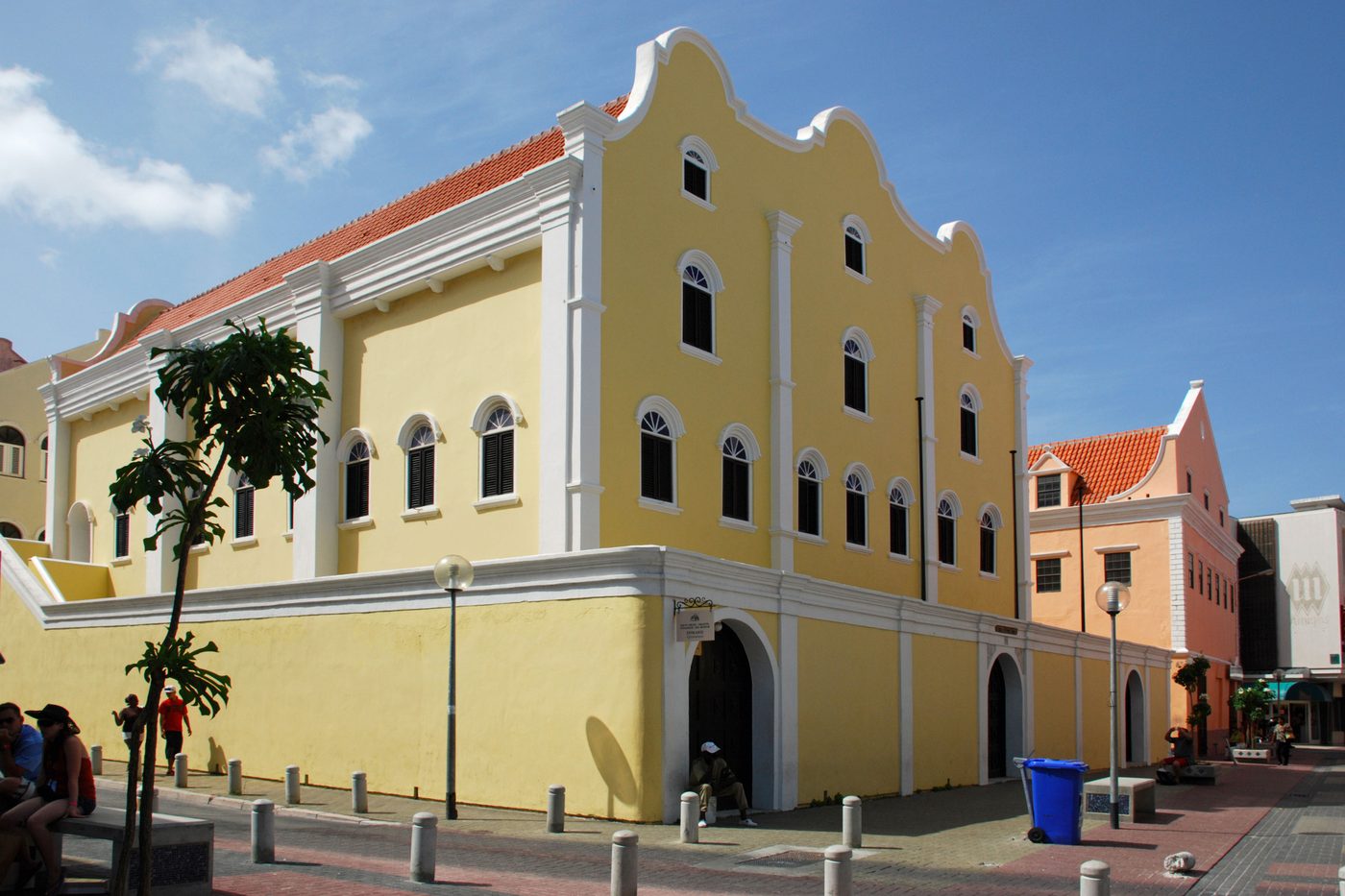
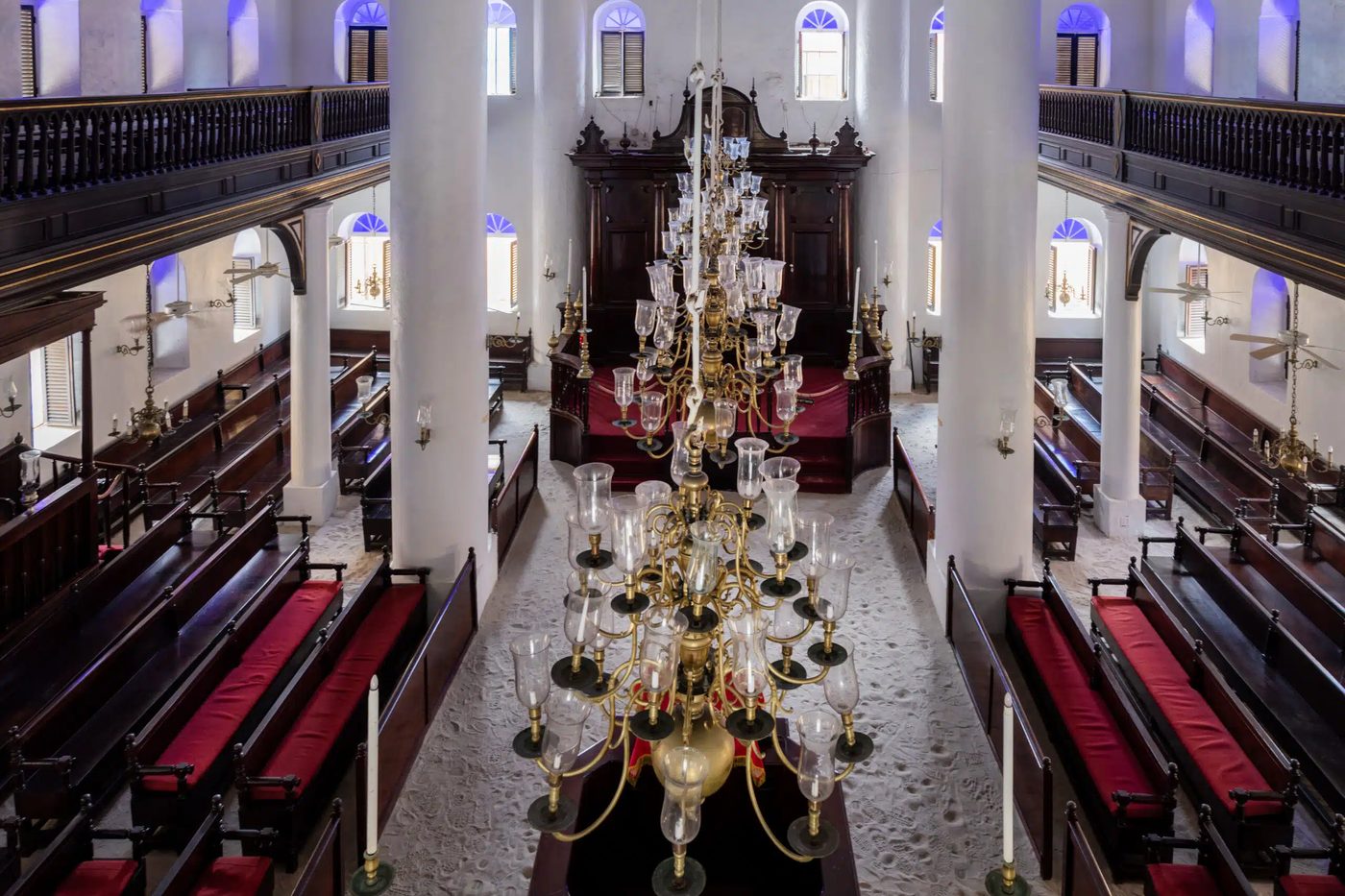
His maternal grandmother was Maud Capriles, of Curaçao. The line runs back to Dr Joseph Capriles, born near Udine around 1725, licensed in medicine at Padua in 1751, physician to a bey in Tunis, questioned by the Inquisition in Malta in 1757, and married at the Mikvé Israel synagogue in Willemstad in August 1762 — the oldest Jewish congregation in the Western hemisphere. He arrived with a sword, and the island called him El Doctor de la Espada. Capriles descendants have been members of the synagogue ever since.
Which is why the recording Zelermyer made for the Hebrew University of Jerusalem, of the liturgical tradition of Mikvé Israel-Emanuel, is not a visiting cantor’s project. It is his family’s liturgical inheritance.
His father, Rabbi Gerald Zelermyer, was Jewish Theological Seminary Rabbinical School class of 1968, a student of giants of the time: Finkelstein, Heschel, Lieberman, Kaplan and others. He first served two pulpits in his native Boston, where he encountered the racial tensions of the time (JTA archive). It was there that he met and married Heske Levisson, a new immigrant from The Hague. He served in Cranston, Rhode Island from 1974–1983, then Emanuel Synagogue in West Hartford where within weeks of his arrival, the synagogue fell victim to arson (The New York Times, 1983). He served there until 2002 when he closed the family circle and moved with Heske to serve as rabbi at Mikvé Israel-Emanuel until 2005.
Founders of Dutch Liberal
Judaism, 1931
BETH JEHOEDA
Prinsessegracht, The Hague
Consecrated 1726
Rededicated 1976
300th anniversary, 2026
CAPRILES · Curaçao
Mikvé Israel-Emanuel
Established 1654
The oldest Jewish congregation
in the Western hemisphere
SHAAR HASHOMAYIM
Westmount
Max and Ben are fifth-generation members of The Shaar, and in 2023 became the ninth generation of Capriles descendants to leave their footprints on the sand floors of Mikvé Israel-Emanuel
Bridges beyond the sanctuary
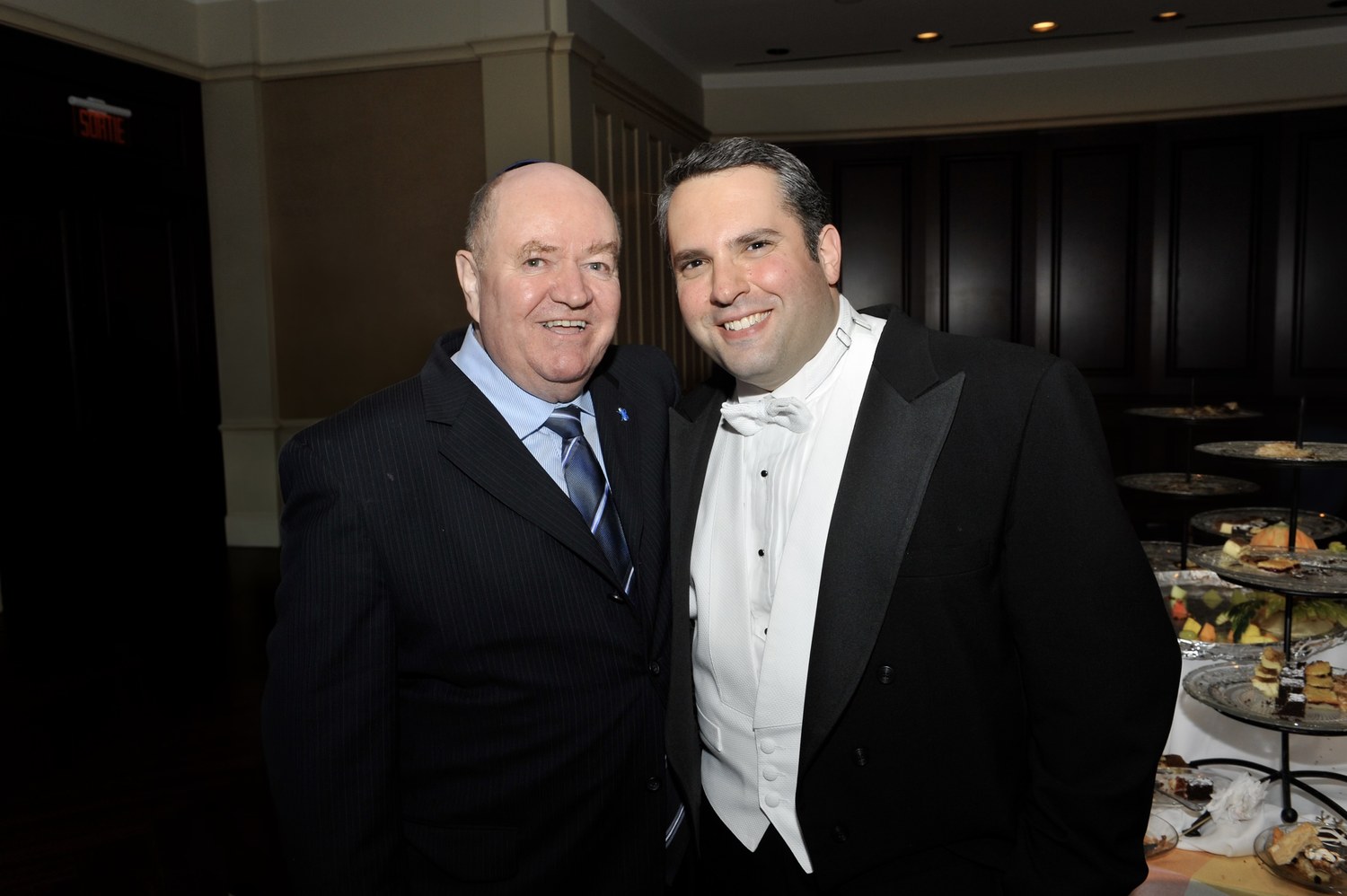
In 2004, after The Passion of the Christ came out, Father John Walsh telephoned to ask whether he could borrow a Haggadah, a seder plate and a wine goblet. His parishioners had asked him to demystify Jewish custom, and he intended to hold a seder.
They ended up holding it together, at St John Brébeuf in LaSalle, and did so for years afterwards. Father John came to the second seder at the Zelermyer house every Passover for nearly two decades, reading portions of the Passover story in Hebrew, which he had learned while living in Israel in the 1970s. He was at the cantor's wedding. He attended High Holy Day services at Shaar Hashomayim. When he died in November 2020 — four days after asking Zelermyer to close the launch of a home for young men who had been homeless — the cantor sang an Israeli song about people of every religion standing together.
“As clergy, we understood where the other was coming from. On the same day, you can have the highest of highs and lowest of lows. That's difficult for anybody, but we're supposed to put a brave face on it all. He understood that.”
In 2019 the choirs of Shaar Hashomayim and St Matthias' Anglican Church, directly across the road, sang together for the first time. Of the nine verses on the sanctuary walls, the one he often returns to is the one about the sanctuary being called a house of prayer for all nations (Isaiah 56:7).
1942–2020
St John Brébeuf, LaSalle;
Order of Canada
ST MATTHIAS' ANGLICAN
Joint concert, 2019
Music director Scott Bradford